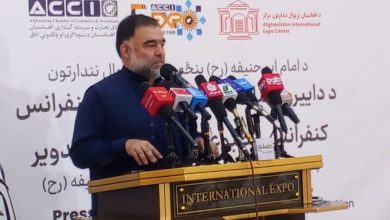


The establishment of industrial parks is considered one of the fundamental tools for economic development in transitioning countries. In Afghanistan, given an import-dependent economic structure, limited job opportunities, and the urgent need to strengthen domestic production, the development of industrial parks emerges as a strategic necessity. The visit of the Minister of Industry and Commerce to the proposed lands for industrial parks in Kandahar province demonstrates the government’s attention to this structural need of the country’s economy.
From an economic perspective, industrial parks reduce production costs, increase productivity, and facilitate domestic and foreign investment by concentrating infrastructure within a defined area. Shared access to energy, water, roads, warehousing, and logistical services allows production units to focus on product quality and competitiveness rather than initial expenses.
Afghanistan, especially provinces like Kandahar, benefits from a strategic geographical location, a young workforce, and potential access to regional markets. The identification of 10,000 jeribs of land in Zheray district and 7,500 jeribs near Kandahar airport indicates that industrial planning, linked with transit, exports, and regional supply chains, is taking shape. This could strengthen Kandahar’s role as an industrial and commercial hub in the south of the country.
From an employment perspective, industrial parks have both direct and indirect impacts on reducing unemployment. Establishing factories, processing workshops, manufacturing industries, and related services creates sustainable job opportunities and prevents labor migration abroad. Moreover, the growth of domestic production reduces dependency on imports and improves the country’s trade balance.
From a macroeconomic standpoint, the development of industrial parks increases government revenues through taxes, customs duties, and capital circulation, while reinforcing the foundations of a production-oriented economy. While interest in industrial investment is rising, the lack of infrastructure could turn this opportunity into a threat. Therefore, establishing industrial parks represents a rational response to this growing need.
Overall, industrial parks in Afghanistan are not merely short-term projects but a strategic necessity for sustainable growth, job creation, strengthening national production, and integrating the country’s economy into regional economic chains. The Ministry of Industry and Commerce’s initiative to identify suitable lands in Kandahar, if supported by scientific planning, transparency, and sustained backing, could mark a turning point in Afghanistan’s industrial development.
By Dr. Mokhlis Ahmad
Nangarhar Chamber of Commerce and Investment