The International Federation of National Societies handed over humanitarian aid to the Afghan Red Crescent Society


Continuing its humanitarian cooperation with the Afghan Red Crescent Society, the International Federation of National Societies in Afghanistan handed over a consignment of non-food items and equipment to the organization to be used to address the needs of vulnerable families and people affected by disasters.
The aid includes 1,600 blankets, 200 tents, 200 kitchen sets, 400 tarpaulins, 400 drinking water storage barrels, and a forklift truck, which was delivered to the Afghan Red Crescent Society’s headquarters in Kabul on Wednesday, 26 Rabi’ al-Awwal 1448.
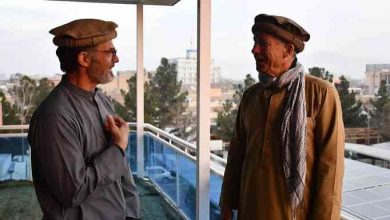
The consignment was handed over by Hessam Faisal, head of the International Federation of National Societies’ office in Afghanistan, to Sheikh al-Hadith Shahabuddin Dilawar, head of the Afghan Red Crescent Society.
While handing over the aid, Sheikh Hadith Shahabuddin Delawar expressed his appreciation for the continued cooperation of the International Federation of National Societies in the humanitarian sector and said that the aid items will be provided to deserving families in a transparent manner and without any discrimination or difference in times of need.
He emphasized that the Afghan Red Crescent Society is trying to provide humanitarian aid to the most vulnerable members of society based on the level of need and in coordination with partner organizations.
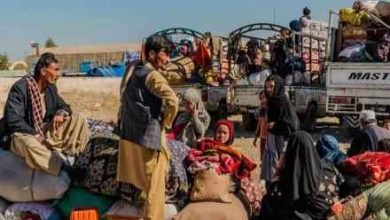
Delawar said at the ceremony that the Afghan Red Crescent Society, in addition to addressing other humanitarian needs, also supports refugees who have recently returned to Afghanistan from neighboring countries.
According to him, the organization distributes up to 10,000 hot food parcels daily in four temporary accommodation camps for returnees and also provides essential health services.
Referring to the humanitarian situation in the country, the Director General of the Afghan Red Crescent Society said that the consequences of the crises and events of the past years have faced a large number of families and vulnerable individuals with serious problems.
He added that unaccompanied women, children of affected individuals, and other needy groups in different parts of the country continue to need humanitarian aid.
Delawar also said that in recent years, millions of Afghans have returned to the country from neighboring countries, and a large number of them are facing a lack of shelter, food, health services and other basic necessities of life.
He called on international institutions and relief organizations to increase their humanitarian cooperation with the Afghan Red Crescent Society and play a greater role in addressing the needs of vulnerable families.
Meanwhile, Hesam Faisal, head of the International Federation of National Societies office in Afghanistan, said that new aid has been provided to meet the immediate needs of people affected by disasters and Afghans who have recently returned to the country from neighboring countries.
He added that these items can be effective in meeting some of the basic needs of vulnerable families, especially in the areas of shelter, essential living supplies, and access to water.
While praising the activities of the Afghan Red Crescent Society, Faisal emphasized the continuation of cooperation between the two institutions and said that the International Federation of National Societies, as a close and reliable partner, will continue its cooperation with the Afghan Red Crescent.
He added that the federation will try to attract more humanitarian aid, given the existing needs, and cooperate in delivering this aid to the families and individuals who need it most.
The Afghan Red Crescent Society has also announced that it will continue its efforts to attract and distribute humanitarian aid to those affected by the disasters and Afghans who have returned to the country, in cooperation with its domestic and international partners.
This aid is being entrusted to the Afghan Red Crescent Society at a time when the need for shelter, basic necessities of life, health services, and other humanitarian aid among vulnerable families and returning refugees continues to be one of the most important humanitarian needs in the country.
Send feedback